
3 hr
Phantom Island Snorkeling Adventure from Ishigaki
Sail to a vanishing sandbar, snorkel vibrant coral reefs, and capture stunning photos at Hamajima.
Reserve
Hand-picked by our editors — only the best 5 snorkeling experiences from 23 reviewed.
Verified partners for every tour, free cancellation where available, and instant confirmation on every booking.
3 hr
Sail to a vanishing sandbar, snorkel vibrant coral reefs, and capture stunning photos at Hamajima.
Reserve
3 hr
Glide through turquoise shallows to meet green turtles and explore a glowing marine cavern—no boat required.
Reserve
3 hr
Swim with sea turtles in tropical waters on this beginner-friendly snorkeling tour with beach access
ReservePrices from verified partners. Availability updates in real time at checkout. Free cancellation policies apply where shown.
The landmarks, rooms, and views travelers on this tour remember — all visible on a single visit.
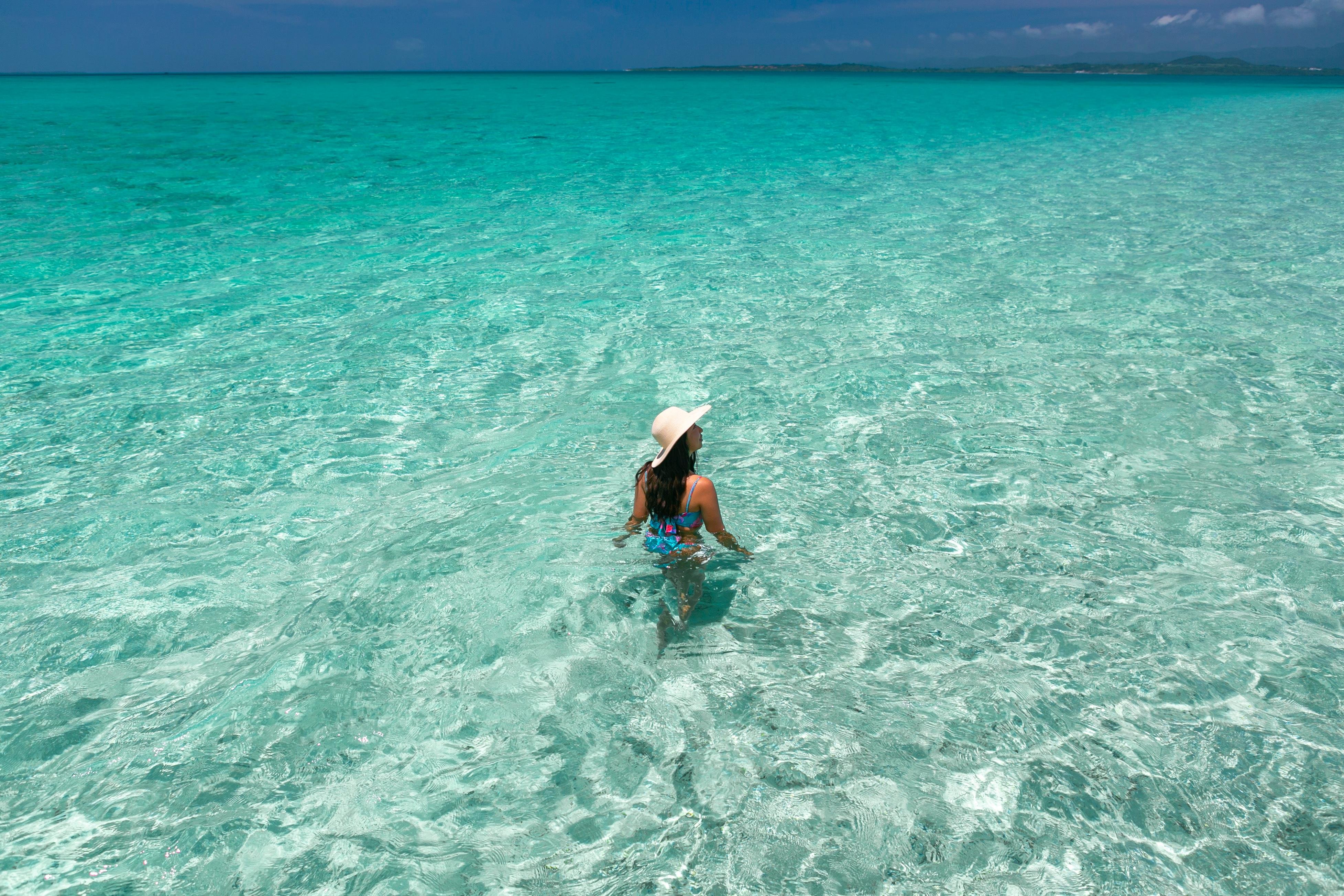
A crescent-shaped bank of pure white sand that shifts size with the tide, sometimes reaching 300 meters in length.
The shallow waters surrounding the island are known as Shisai Lagoon, home to extensive coral reefs and vibrant fish populations.
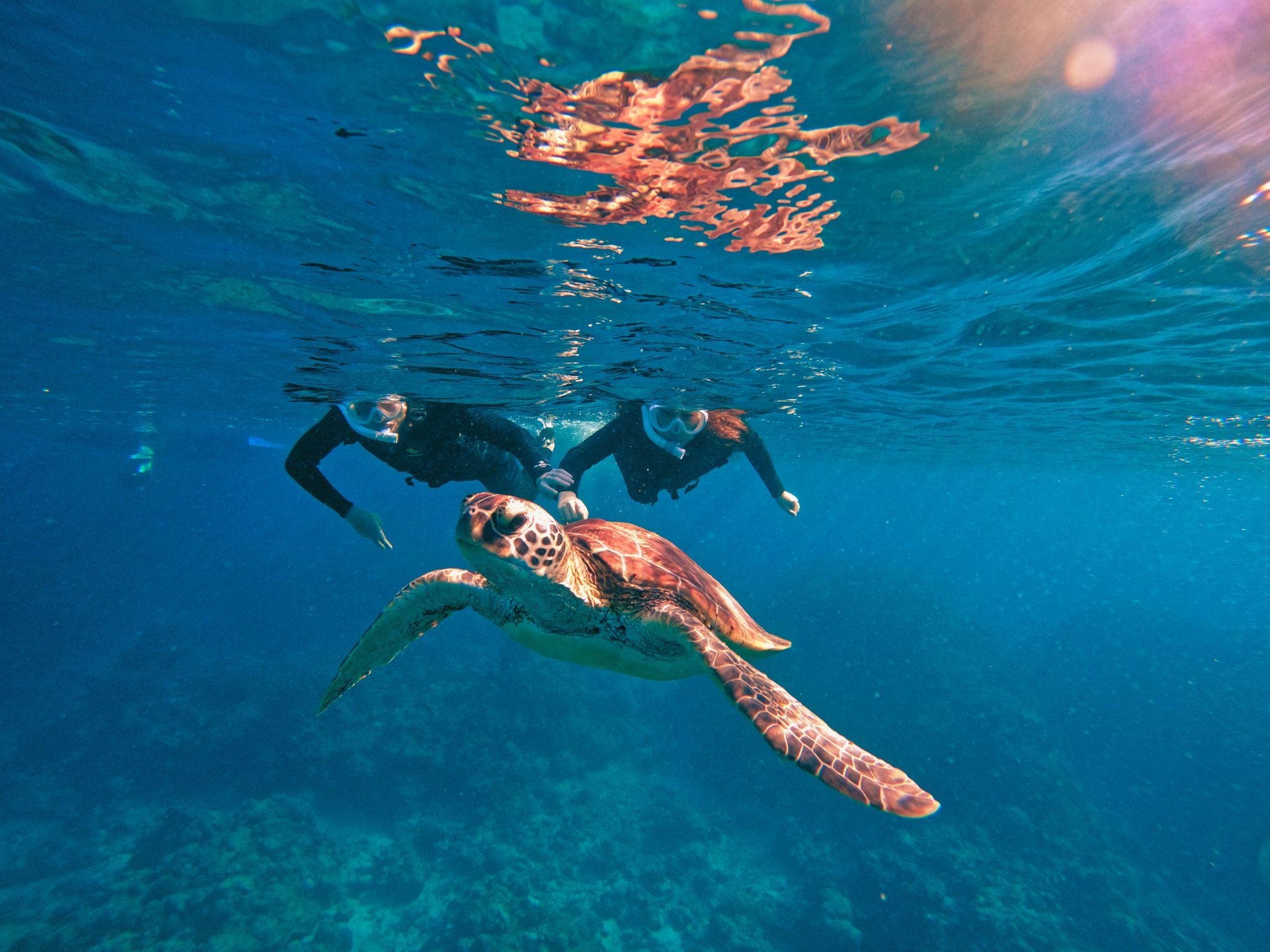
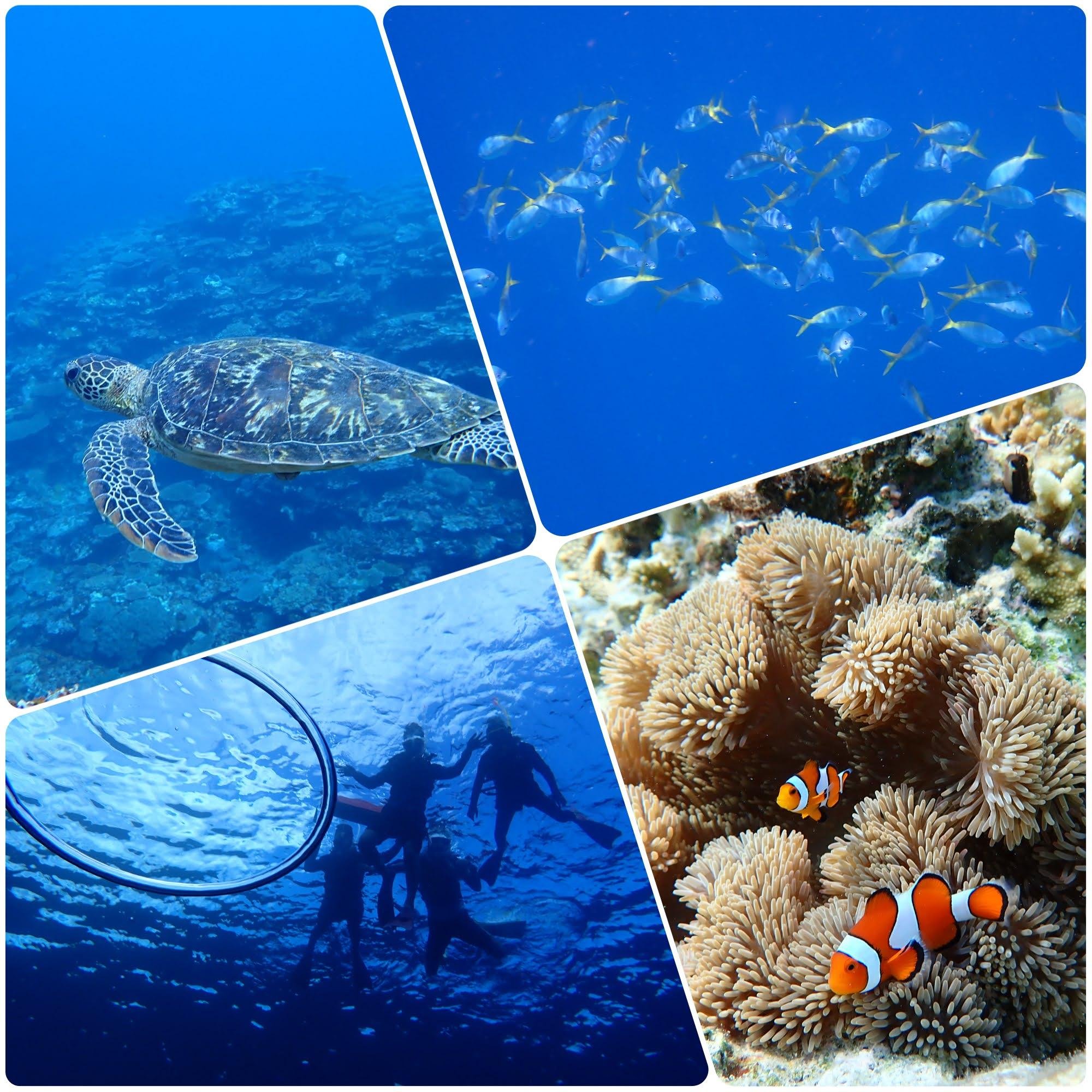
Visitors frequently encounter sea turtles and tropical fish while snorkeling in the vibrant waters near the island.
The island offers a 360-degree unobstructed view of the surrounding Yaeyama archipelago.
Phantom Island offers an expansive open-water environment, while the Blue Cave provides a sheltered geological formation; most visitors who do both call the cave the more intimate exploration. Selecting between these phantom island snorkeling ishigaki tours depends on whether you prefer exposed sandbars or enclosed marine caverns.
| Feature | Top pick Phantom Island | Blue Cave |
|---|---|---|
Access Requirements |
Paid private boat | Paid private boat |
Tidal Dependence |
High (low tide only) | Low (tide-dependent entry) |
Physical Setting |
Uninhabited sandbar | Submerged sea cave |
Typical Depth |
1–3 meters | 2–5 meters |
Ease of Access |
Requires boat transfer | Requires boat and swim |
Duration |
1.5–2 hours | 1.5–2.5 hours |
| See tickets → |
Verdict: Choose the sandbar if you prioritize photography on Hamajima, or opt for the cave to experience the unique light refraction of this Ishigaki landmark through these phantom island snorkeling ishigaki tickets and alternative local marine excursions.
Choose your ticket, select your date, and reserve in under two minutes. Secure checkout handled by our verified partner.
Instant confirmation by email, with a mobile voucher you can save offline. No printing, no queuing at a collection desk.
Arrive at the entrance, show your voucher on your phone, and walk in. Most tickets include priority or skip-the-line access.
Practical details for your visit straight from our verified partners — hours, access, rules, and how to get there.
Wear clothes you do not mind getting wet, such as a swimsuit under beach attire.
Keep belongings to a minimum as storage space on small tour boats is extremely limited.
Professional guides often provide free photo data; however, bringing a waterproof phone case for personal shots during your phantom island snorkeling ishigaki tour is recommended.
The island has no facilities; participants must be able to board a small boat and walk on uneven sand.
Waterproof cases are essential due to the lack of shelter and exposure to saltwater spray.
Children from age 3 are generally welcome to join phantom island snorkeling ishigaki tours, provided they wear a provided life jacket.
There are no shops or facilities; bring your own hydration and consume snacks on the boat rather than the sandbar.
Pets are not permitted on most private charter vessels or public phantom island snorkeling ishigaki excursions.
The island is a natural sandbar that appears and disappears; visit timing is strictly controlled by daily tidal schedules.
Best time to go, insider tips, nearby landmarks, and the cancellation fine print — flip through to skim what matters to you.
Flexible, no hidden fees.
Please verify specific operator policies for your phantom island snorkeling ishigaki booking, as many require 24-48 hour notice for full refunds. Entrance to the island carries a 0 JPY conservation fee, though tour costs apply.
Phantom Island appears for roughly four hours each day, a crescent sandbar that materializes on the spring tide seven kilometers east of Ishigaki's port. Known locally as Maboroshi no Shima — the illusory island — this ephemeral atoll sits atop a submerged coral plateau that breaches the surface only when the moon's pull drains the Yaeyama Channel to its nadir. The phenomenon has drawn snorkelers since the early 2000s, when dive operators began charting the tidal windows that govern access. Unlike permanent reefs anchored to volcanic bedrock, Phantom Island's substrate shifts with each monsoon season, redistributing sand and exposing new coral colonies as the seabed reshapes itself. The island holds no infrastructure, no moorings, no shade. What it offers instead is a temporary lagoon, rarely deeper than two meters at low tide, where green sea turtles graze on seagrass beds and clownfish dart through staghorn thickets undisturbed by the surge that batters outer reef walls. The sandbar itself spans roughly 300 meters at peak exposure, a white crescent framed by water so transparent that the coral polyps below appear magnified. Visibility routinely exceeds 30 meters, a clarity driven by the channel's swift currents that flush sediment seaward before each tidal cycle. Blacktip reef sharks patrol the drop-off where the plateau plunges to abyssal depth, while butterfly fish and parrotfish concentrate in the shallows where sunlight penetrates to the substrate. The reef structure here is predominantly Acropora and Porites, species adapted to the tidal flux that alternately submerges and exposes their upper branches. Marine biologists have documented over 200 fish species within a single square kilometer of the island's perimeter, a density that rivals protected marine reserves elsewhere in the Ryukyu Arc. Phantom island snorkeling Ishigaki excursions depart Ishigaki Port each morning, timed to arrive as the tide begins its retreat. Operators monitor lunar tables and weather forecasts weeks in advance, canceling trips when swells exceed one meter or when spring tides fail to drop low enough to reveal the sandbar. The journey out requires 25 to 40 minutes depending on sea state, crossing the same shipping lane that connects Ishigaki to Taketomi and Iriomote. Once anchored, groups spend 60 to 90 minutes in the water before the tide turns and the lagoon begins to deepen. The island's transience imposes a strict rhythm on every visit: arrive too early and the sandbar remains submerged; linger too long and the return crossing faces headwinds as the incoming tide reverses the channel's flow. What makes the site compelling is not permanence but precision — a marine spectacle calibrated to the hour, legible only to those who read the tide charts and commit to the window.
"The island holds no infrastructure, no moorings, no shade — only a temporary lagoon where green sea turtles graze on seagrass beds undisturbed by the surge that batters outer reef walls."
A step-by-step walkthrough of the visit — what you'll see, how long each stage takes, and the details that matter.
You board the outbound skiff at Ishigaki Port shortly after eight, the captain consulting a laminated tide table as the crew stows snorkel sets and mesh bags. The crossing takes thirty minutes, the boat slicing northeast past Taketomi's silhouette until a pale crescent emerges against the cobalt channel. As you approach, the water lightens from navy to turquoise, the sandbar now fully exposed, gulls wheeling over tide pools that pockle the surface. You step off the bow into ankle-deep water, fins in hand, and wade twenty meters to where the sand drops away into coral gardens. The reef begins abruptly, staghorn clusters rising a meter below, their branches swaying in the residual current. You lower your mask and fin gently east, following a turtle that surfaces briefly before diving to crop seagrass near the reef's edge. Damselfish scatter as you drift over a table coral the width of a tatami mat, its surface pocked with the feeding scars left by parrotfish. The guide points toward a sandy channel where a blacktip reef shark glides past, unbothered, its dorsal fin breaking the surface for a moment before it descends into deeper water. You float motionless above a Porites colony, watching clownfish defend their anemone against a curious wrasse. The water is so clear you can count the spines on a lionfish hovering beneath a coral overhang three meters away. After an hour the guide signals the return; the tide is turning, the lagoon beginning to deepen. You wade back to the sandbar, now narrower than when you arrived, and climb aboard as the island begins its slow retreat beneath the rising sea.
The area is open daily from 08:00–17:00, though access depends on tidal patterns.
Entry is 0 JPY as the island is free to access, but you must pay for a private tour boat to reach it.
No, you must join a professional operator for safe transport to Hamajima.
The best arrival window is 08:00–16:00, as the island is only visible at low tide.
There are no facilities on the island; please use the restrooms provided on your tour boat.
Yes, most tour packages include masks, fins, and life jackets for your excursion.
Yes, children aged 3 and up are typically welcome on most tours.
Most operators run tours rain or shine, but will cancel if sea conditions are deemed unsafe.
You can secure your phantom island snorkeling ishigaki tickets through licensed local tour operators or online booking platforms.